
The Power of 24-Hour ABPM and the Role of Blood Pressure Monitor Manufacturers in Shaping Better Heart Health
In the ever-evolving world of modern healthcare, early detection and accurate diagnosis are the cornerstones of effective treatment. One silent yet deadly condition that continues to plague millions globally is hypertension, commonly known as high blood pressure. Often without symptoms, hypertension can quietly damage arteries, increase the risk of heart disease, and lead to severe complications if left unchecked. Traditional blood pressure monitoring, while helpful, often falls short in detecting the full scope of a person’s cardiovascular health. This is where 24-hour ABPM short for Ambulatory Blood Pressure Monitoring—emerges as a game-changing solution.
Equally essential to this advancement are the behind-the-scenes innovators: the blood pressure monitor manufacturers. These are the professionals and engineers who design, build, and improve the sophisticated devices that allow medical professionals to get accurate, real-time, and long-term insights into a patient’s blood pressure behavior. Without them, 24-hour ABPM would not exist in its current advanced form.
This article delves into the significance of 24-hour ABPM, why it’s transforming how we understand hypertension, and how blood pressure monitor manufacturers are driving the industry forward.
What is 24-Hour ABPM?
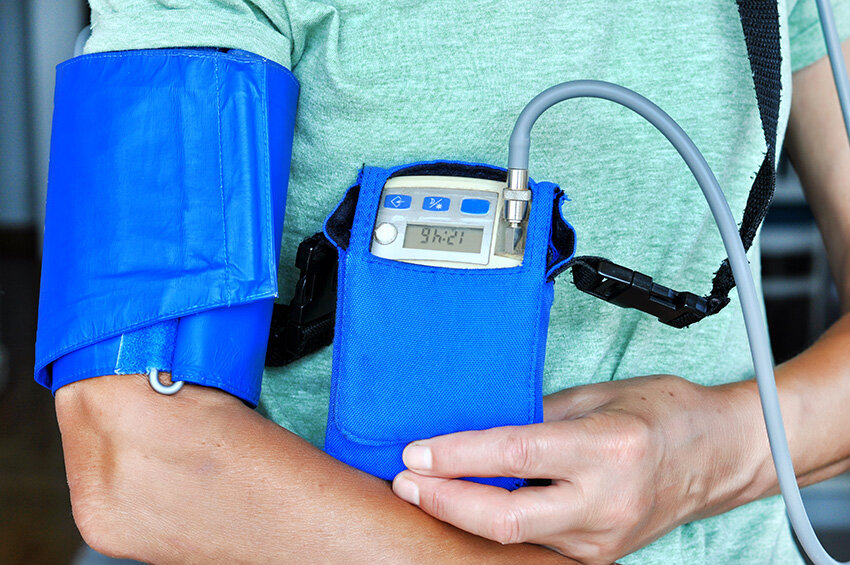
24-hour ABPM, or 24-hour ambulatory blood pressure monitoring, is a diagnostic method used to measure a person’s blood pressure continuously over a 24-hour period as they go about their normal daily activities and sleep. It involves a wearable device—typically a cuff worn on the upper arm connected to a small, portable recorder strapped around the waist or shoulder.
The device automatically inflates and records blood pressure at regular intervals: usually every 15 to 30 minutes during waking hours and every 30 to 60 minutes while the person sleeps. The result is a comprehensive record of how blood pressure fluctuates throughout a full day and night cycle.
Why 24-Hour ABPM Is a Game-Changer
Unlike in-office blood pressure checks, which give only a snapshot at a single point in time, 24-hour ABPM offers a much clearer picture of a patient’s cardiovascular function. Here’s why this method has become a critical tool in the management of hypertension:
Detection of Hidden Hypertension
Some individuals experience what’s known as “white coat hypertension,” where blood pressure spikes only in a clinical setting due to anxiety or stress. Others may have “masked hypertension,” where office readings are normal, but blood pressure is elevated during daily life. 24-hour ABPM uncovers both conditions that might otherwise go unnoticed.
Assessment of Nocturnal Blood Pressure
Blood pressure typically drops during sleep, a phenomenon known as “nocturnal dipping.” When this drop does not occur—or worse, when pressure rises at night—it can signal an increased risk of cardiovascular events. ABPM is currently the only practical way to monitor blood pressure during sleep.
Monitoring Treatment Efficacy
For patients on blood pressure medication, 24-hour ABPM provides real-time feedback on how well the medication is working throughout the day and night. Doctors can use this data to adjust dosages, change medications, or fine-tune the timing of administration.
Improved Cardiovascular Risk Assessment
Research has shown that 24-hour ABPM readings are more predictive of long-term cardiovascular outcomes than single, clinic-based measurements. It enables better risk stratification, early intervention, and preventative care.
The Role of Blood Pressure Monitor Manufacturers
While 24-hour ABPM offers undeniable benefits, its success is deeply tied to the work of the blood pressure monitor manufacturer. These professionals are the ones who transform theoretical medical needs into practical, reliable, and user-friendly devices.
Here’s how manufacturers play an indispensable role in making 24-hour ABPM viable and effective:
Precision Engineering and Accuracy
Accurate data is everything in medicine. A small error in blood pressure measurement could mean the difference between diagnosis and oversight. Manufacturers invest heavily in advanced sensor technologies and validation protocols to ensure that each monitor provides clinically accurate readings, even under real-world conditions where movement, temperature, and other factors might affect data quality.
Design for Comfort and Compliance
Since the monitor is worn for 24 hours straight—including during sleep—comfort and ease of use are vital. Leading blood pressure monitor manufacturers focus on ergonomics, minimizing noise during inflation, and ensuring the device is lightweight and unobtrusive. The more comfortable the device, the more likely patients are to wear it properly, resulting in more accurate data.
Data Integration and Smart Technology
Modern ABPM devices often come equipped with Bluetooth, mobile apps, or cloud-syncing capabilities. These features allow healthcare providers to easily access data and analyze it with software tools. Manufacturers play a key role in integrating hardware with digital platforms that enable smarter health insights, patient engagement, and remote monitoring.
Regulatory Standards and Quality Control
To be used in clinical practice, ABPM devices must meet stringent international standards—such as ISO certifications, CE markings, or FDA approval. It is the responsibility of each blood pressure monitor manufacturer to ensure their devices are compliant, rigorously tested, and backed by solid clinical research.
Sustainability and Accessibility
As the demand for healthcare technology grows, there is also a call for devices that are environmentally responsible and accessible to all socioeconomic groups. Manufacturers are responding by producing rechargeable, reusable, and affordable devices without compromising on quality.
Looking Ahead: The Future of ABPM and Monitoring Technology
As digital health continues to evolve, both 24-hour ABPM and the tools used to deliver it are also improving. Future developments may include:
- Cuffless monitoring using wearable patches or optical sensors.
- AI-powered analytics that can predict cardiovascular events from blood pressure trends.
- Remote patient monitoring ecosystems, where ABPM data is instantly shared with healthcare providers through secure, cloud-based platforms.
At the heart of all these innovations are the manufacturers who not only build the devices but envision the next generation of medical diagnostics.
Final Thoughts:
The importance of 24-hour ABPM in diagnosing, managing, and preventing hypertension-related conditions cannot be overstated. By offering continuous, real-world data, this method reveals the nuances of blood pressure behavior that traditional readings often miss.But behind every accurate reading, every insightful trend line, and every well-informed medical decision is the quiet but critical work of the blood pressure monitor manufacturer. These individuals and teams drive the progress that allows patients and healthcare providers to gain a deeper understanding of heart health and take meaningful action.As technology advances and public awareness grows, the combined power of 24-hour ABPM and dedicated medical device manufacturing will continue to shape a healthier, more proactive future in global healthcare.