
How to inspect water heater connections for slow leaks safely?
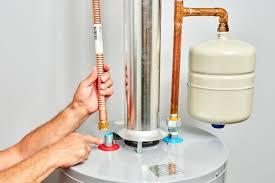
This question comes up if you want to avoid costly water damage and keep your home safe. Slow leaks from plumbing joints, pipe fittings, and valves on your water heater can sneak up on you, so you must know what to look for and how to handle the process.You start by checking all visible connections for tiny droplets or corrosion. Carefully feel around fittings, pressure relief valves, and supply lines while keeping an eye out for dampness or pooling. Remember to switch off the power or gas supply to your hot water heater before getting hands-on, and always use a dry cloth or tissue to confirm leaks—never your bare hands with electrical components involved.Regular inspections can catch a small drip before it ruins flooring or insulation. Look around the tank bottom, follow connected pipes, and don’t forget the cold water inlet or hot water outlet. Knowing how to inspect water heater connections for slow leaks safely gives you peace of mind and extends the lifespan of your heater, saving you from bigger headaches down the line.
Understanding the basics of water heater connections and slow leaks
Water heater connections are critical junctions where water inflow and outflow lines meet your water heater tank. Over time, even the best installations can develop slow leaks at these points, leading to costly repairs and water damage. Leak detection is vital for maintaining energy efficiency, extending the lifespan of your appliance, and ensuring indoor safety. Modern water heaters from reputable manufacturers such as A.O. Smith, Rheem, or Bosch integrate pressure relief valves, dielectric unions, and temperature sensors that also play a role in guarding against leaks.Focusing on both gas and electric models found in homes and commercial buildings, slow leaks are often hidden around threaded fittings, TPR (temperature and pressure relief) valves, flex connectors, and drain valves. All these areas demand regular, careful inspection using proper leak detection protocols.
- Visual clues: Staining, rust, or moisture accumulation near pipe joints
- Performance changes: Drop in water pressure or fluctuating water temperature
- Audible signs: Soft hissing or dripping sounds near connections
- Odor indicators: Musty smells representing mold or mildew from hidden leaks
Step-by-step process for safely inspecting water heater connections
Before you start, turn off the circuit breaker (for electric heaters) or gas supply (for gas heaters), and shut the main water supply. This is in line with safety recommendations from organizations such as the International Association of Certified Home Inspectors (InterNACHI) and the US Consumer Product Safety Commission. Let the heater cool for at least 30 minutes.
- Prepare the area: Clear the workspace, ensuring good lighting and dry floors to prevent slips
- Use PPE: Always wear insulated gloves, goggles, and closed-toed shoes
- Check visible joints: Inspect cold water inlet and hot water outlet connections, looking for corrosion or mineral buildup
- Inspect valves: Examine shut-off, drain, and temperature-pressure relief valves for dripping or pooling water
Advanced tools and leak detection technology for home inspections
Professional leak detection services such as Lekdetectie Hydrocheck utilize specific tools and technologies that offer superior accuracy compared to visual inspection alone. Moisture meters, infrared thermography cameras, and acoustic sensors are commonly used to pinpoint slow water leaks that remain hidden. These tools help detect even minor drips behind walls or beneath flooring, safeguarding structural integrity.Consider these top industry technologies:
- Moisture meters: Digital tools that measure water presence in and around fittings and walls
- Infrared cameras: FLIR and similar brands reveal temperature differences around water heater connections, highlighting moisture trails
- Acoustic leak detectors: Devices that amplify the sound of dripping water within pipes
- Dye testing: USDA and EPA-recommended, food-safe dyes are added to check for leaks in drain lines
You can always consult our certified technicians for guidance on selecting the right tools and methods.
Common types of slow leaks in water heater connections
Slow leaks in water heaters most often result from issues with pipe threading, deteriorated washers, corroded fittings, or improper sealing with Teflon tape. Galvanic corrosion is another prevalent problem where two dissimilar metals (such as copper and steel) meet, causing slow but persistent leaks due to electrochemical reactions.
- Threaded joint leaks: Occur at male/female pipe connectors and can start as micro-leaks
- Valve stem seepage: Especially common in older ball or gate valves due to O-ring wear
- Flexible hose leaks: Rubber or braided flex connectors may weaken over time
- TPR valve malfunction: Excessive temperature or pressure may cause the relief valve to weep
We strongly recommend addressing these issues early, as even a “harmless” drip can escalate into a significant water loss or safety hazard.
Safety tips and preventative maintenance from experts
Regular maintenance is the best way to avoid unexpected failures. Inspections should be scheduled at least twice a year, as backed by recommendations from organizations such as the American Water Works Association (AWWA) and guidelines in the Uniform Plumbing Code.
- Schedule routine checks: Use a smartphone calendar or smart home reminder apps for periodic inspections
- Flush the system: Annually flush the tank to remove sediment buildup that can lead to tank leaks
- Check water pressure: Excessive pressure accelerates wear and can induce joint leakage, so consider installing a pressure regulator
- Use dielectric unions: Prevent galvanic corrosion by employing approved dielectric fittings when connecting copper to steel
Pay close attention to regional differences: For example, locations with hard water (such as Rotterdam and Amsterdam) may require more frequent descaling.
Next steps if a leak is detected and how we help
If you suspect a slow leak, act promptly. Shut off your water supply, document the affected area with photos, and consult a licensed plumber or call our certified leak specialists at Lekdetectie Hydrocheck. Our process includes a thorough on-site diagnosis using advanced detection equipment, after which we provide a clear action plan and repair estimate.Discover how our expertise makes the difference on our detectie van waterlekkages en deskundig advies page. For an immediate response or to request a free quote from our trusted team, vraag nu een gratis offerte aan voor het veilig opsporen van waterlekkages aan je warmwaterboiler.Complete water heater care means never ignoring warning signs. By giving attention to routine inspections and relying on professional expertise, you protect your home, budget, and peace of mind. For more hands-on tips, reliable leak detection, or emergency support, Lekdetectie Hydrocheck is your go-to partner in the Netherlands.
FAQ: How to Inspect Water Heater Connections for Slow Leaks Safely
1. How do you start inspecting water heater connections for slow leaks?
Begin by turning off the power supply—unplug the unit or switch off the circuit breaker for electric heaters, or set the gas control to “pilot” for gas heaters. Let the unit cool for 30–60 minutes to avoid burns. Then, use your hand or a tissue to check around inlets, outlets, and pipe joints for moisture. If you spot any water or mineral deposits, that’s your first clue!
2. What are the most common signs of a slow leak in water heater connections?
Look for subtle water stains, rust-colored drips, or white mineral deposits where pipes meet the tank. Corrosion on fittings is another dead giveaway. Even a small puddle or a damp spot can mean problems brewing. Listen for dripping sounds, and if you smell mustiness, trust your nose—it often points to concealed moisture.
3. Which tools do you need to safely check for slow leaks?
A dry paper towel, flashlight, and a mirror are your best friends. The mirror helps spot leaks in hard-to-see areas. If you suspect a micro-leak, wrap a dry tissue around each connection—if it later feels damp, you’ve found it! For extra accuracy, consider a moisture meter, but usually, your senses and simple tools suffice.
4. What safety precautions should you follow during an inspection?
Always power down the heater! Never touch pipes or connections when the heater is on—steam or hot water can cause serious burns. Wear rubber gloves to protect yourself from hot surfaces and water. If you see electrical wires near the leak, keep your hands away and call a professional immediately.
5. When should you call a professional like Lekdetectie Hydrocheck?
If you find moisture, corrosion, or suspect a hidden leak but can’t pinpoint the source—leave it to professionals. Extensive rusting, persistent puddles, or any sign of electrical involvement are red flags. Lekdetectie Hydrocheck offers free quotes, and our certified technicians guarantee a safe, thorough leak inspection!