
The Evolution of Sustainable Premium Air Travel: Business Class in the Green Era
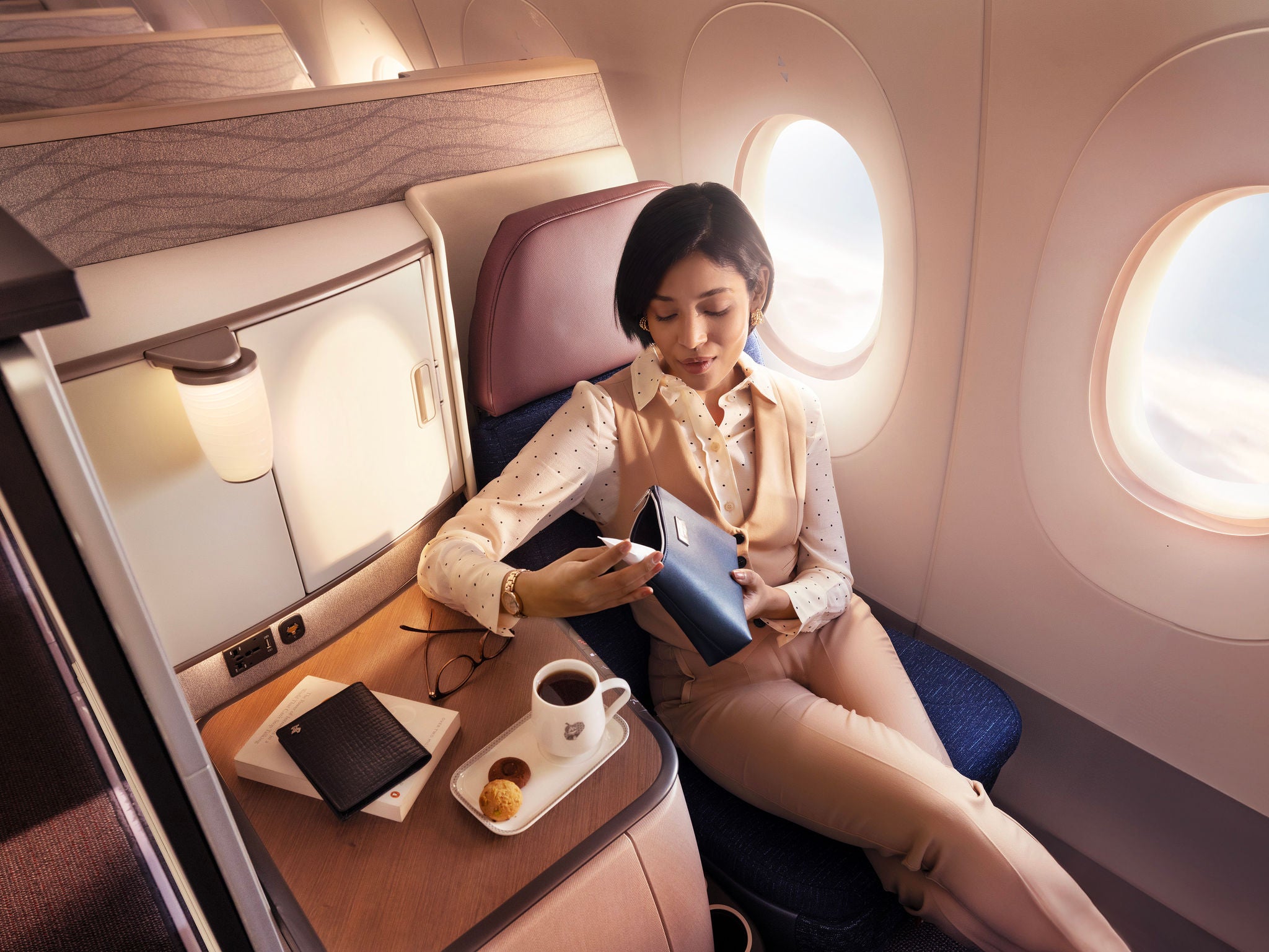
The intersection of luxury travel and environmental responsibility creates complex tensions as climate awareness grows among premium passengers. Business class travelers, generating substantially higher per-passenger emissions than economy due to larger seat footprints reducing aircraft capacity, face particular scrutiny regarding environmental impacts. However, this same demographic often possesses resources, influence, and motivation enabling meaningful sustainability leadership. Understanding how premium travel evolves toward lower environmental impact while maintaining service standards represents a crucial challenge for aviation’s premium segment.
As environmental consciousness permeates all market segments, carriers offering business airline tickets increasingly address sustainability concerns through operational improvements, alternative fuel adoption, carbon offset programs, and transparent environmental reporting. Premium passengers demonstrate growing interest in carriers’ environmental credentials, with sustainability performance becoming a competitive differentiator alongside traditional service quality metrics. This comprehensive exploration examines sustainability trends reshaping business class travel, from immediate initiatives reducing environmental impacts to long-term innovations promising eventually carbon-neutral premium aviation.
Understanding Premium Cabin Environmental Impact
Carbon Footprint Analysis
Business class passengers generate approximately 2-3 times the emissions per passenger compared to economy travelers on identical flights. This multiplier results from space allocation—business class seats occupy 2-3 times economy seat space, reducing total passenger capacity. A fully-booked business class cabin produces higher total emissions than if those same aircraft seats accommodated economy density.
Long-haul business class flights from the U.S. to international destinations can generate 4-8 metric tonnes CO2 per passenger round-trip compared to 2-4 tonnes in economy. These substantial emissions represent significant portions of individual sustainable annual carbon budgets, which climate scientists suggest should approximate 2-3 tonnes annually across all activities for climate stabilization.
According to research published by the Environmental Protection Agency, aviation represents approximately 3% of total U.S. greenhouse gas emissions, with premium cabins contributing disproportionately. As economy class becomes more space-efficient through density optimization, the relative premium cabin environmental impact intensifies, creating urgency for sustainability innovations specifically targeting premium travel.
Non-CO2 Climate Impacts
Beyond carbon dioxide emissions, aviation produces significant non-CO2 climate effects including contrails, nitrogen oxides, and particulate emissions. These impacts, concentrated at high altitudes where effects amplify, potentially double or triple aviation’s climate forcing beyond direct CO2 effects alone. Premium passengers’ disproportionate space consumption means their total climate impact correspondingly exceeds their already-elevated CO2 footprints.
Contrail formation depends on atmospheric conditions, altitude, and aircraft characteristics. Some routes and times produce more climatically-significant contrails than others. Emerging research explores contrail avoidance routing—slightly adjusting flight paths to minimize contrail formation—potentially reducing climate impacts 10-20% with minimal fuel penalty. These operational innovations could particularly benefit frequent premium travelers seeking to minimize environmental footprints.
Carrier Sustainability Initiatives
Fleet Modernization and Efficiency
Airlines investing in modern aircraft demonstrate tangible sustainability commitment. New generation widebodies including Boeing 787 Dreamliner and Airbus A350 achieve 20-25% better fuel efficiency per seat compared to aircraft they replace. These improvements translate directly to reduced emissions, benefiting all passengers including business class travelers.
Retrofit programs upgrading existing aircraft with improved engines, aerodynamic modifications, and weight reductions extend sustainability benefits across fleets. While less dramatic than new aircraft improvements, these upgrades deliver meaningful efficiency gains across more aircraft more quickly than fleet replacement alone.
Premium cabin passengers disproportionately fly newer, more efficient aircraft as airlines deploy best equipment on premium routes generating highest revenues. This creates a paradox where business class travelers, despite higher per-passenger impacts, often fly the most efficient available aircraft. The environmental calculus remains complex with multiple competing factors.
Operational Efficiency Programs
Beyond aircraft hardware, operational procedures substantially influence fuel consumption and emissions. Optimized flight planning minimizing distance and altitude inefficiencies, single-engine taxiing reducing ground fuel burn, and continuous descent approaches cutting fuel use during landing all contribute to emission reductions. Leading carriers implement comprehensive efficiency programs reducing fuel consumption 5-10% through operational excellence.
Weight reduction initiatives removing unnecessary equipment, digitizing documentation, optimizing catering loads, and selecting lighter materials for interiors and trolleys all reduce aircraft weight translating to fuel savings. While individually modest, cumulative weight reductions across fleets generate substantial efficiency improvements.
Ground operations including electric ground support equipment, sustainable airport facility operations, and efficient cargo and passenger handling further reduce total emissions. While not directly flight-related, these ground impacts form part of comprehensive sustainability accounting increasingly demanded by environmentally-conscious travelers.
Sustainable Aviation Fuel Integration
Current SAF Adoption
Sustainable aviation fuel (SAF) derived from renewable sources potentially reduces lifecycle carbon emissions 50-80% compared to conventional jet fuel. Current production represents under 1% of total aviation fuel globally, though rapidly expanding. Airlines purchase SAF primarily for environmental leadership signaling and learning ahead of anticipated future mandates.
Some carriers offer passengers options purchasing SAF allocations effectively “greening” specific journeys. While currently limited by supply constraints, these programs demonstrate willingness incorporating passenger environmental preferences into service offerings. Premium passengers, given higher per-journey emissions and greater financial resources, represent a logical target market for voluntary SAF programs.
Cost remains the primary SAF adoption barrier, with sustainable fuel pricing 2-4 times conventional jet fuel. As production scales and technology improves, costs should decline toward conventional fuel parity. Government incentives including tax credits, blending mandates, and research funding accelerate adoption timeline supporting aviation’s decarbonization pathway.
Future SAF Scaling Potential
Optimistic projections suggest SAF could supply 30-50% of aviation fuel by 2050 given sufficient investment, supportive policy, and technology advancement. This scaling requires massive facility construction, sustainable feedstock sourcing, and cost reductions enabling economic viability. Airlines’ voluntary commitments purchasing SAF at premium prices support market development critical for eventual scaling.
Second and third generation SAF technologies including power-to-liquid e-fuels synthesized from captured CO2 and renewable hydrogen promise truly circular carbon cycles. While currently expensive and energy-intensive, continued development could enable these fuels to become primary long-term aviation sustainability solutions. Premium passengers supporting early adoption through voluntary programs contribute to technology development benefiting eventual universal adoption.
Carbon Offset Programs and Effectiveness
Airline Offset Offerings
Most major carriers now offer integrated carbon offset purchases during booking processes. These programs fund projects reducing or capturing greenhouse gases equivalent to flight emissions. Projects include renewable energy development, reforestation, methane capture, and energy efficiency improvements. Offset costs typically range $30-100 per business class passenger depending on route length.
Offset quality varies substantially across programs and projects. Reputable certification including Gold Standard and Verified Carbon Standard ensures projects meet rigorous additionality, permanence, and verification criteria. Selecting certified offsets provides confidence regarding genuine environmental benefits rather than greenwashing without substance.
Premium passengers purchasing offsets voluntarily demonstrate environmental commitment while enabling continued travel. However, offsets represent imperfect solutions—direct emission reduction proves environmentally superior when practical. Offsets provide interim solutions during technology transition toward eventually zero-emission aviation.
Independent Offset Approaches
Beyond airline programs, travelers can purchase offsets through independent providers potentially offering superior quality or pricing. Dedicated offset organizations including Cool Effect, Atmosfair, or myclimate.org provide transparent project information and rigorous verification. Premium passengers seeking maximum environmental benefit may prefer researching and selecting specific projects rather than relying on airline defaults.
Some environmentally-conscious travelers calculate “true cost” carbon pricing exceeding standard offset calculations. Voluntarily paying premium prices reflecting stronger climate concern or acknowledging offset program limitations treats climate impact as serious cost warranting substantial financial commitment. Additional investment funds maximum environmental protection even if not perfectly equivalent to actual emission quantities.
Premium Cabin Design and Sustainability
Lightweight Materials and Construction
Business class seat manufacturers increasingly prioritize weight reduction alongside comfort and aesthetics. Advanced materials including carbon fiber composites, aluminum alloys, and engineered plastics reduce seat weight 15-25% compared to traditional construction. These savings multiply across dozens of seats generating meaningful total aircraft weight reductions.
Interior design choices including finishes, storage solutions, and amenity selections balance luxury aesthetics against weight and environmental considerations. Sustainable materials including recycled fabrics, FSC-certified woods, and low-impact finishes demonstrate environmental commitment without compromising premium appearance or quality.
Life cycle analysis examining total environmental impact from production through disposal influences material selection. Durable, long-lasting materials despite higher initial environmental costs may prove more sustainable over a full lifecycle compared to lighter but shorter-lived alternatives requiring frequent replacement.
Waste Reduction and Circular Economy
Premium cabin service generates substantial waste through amenity kits, meal service, and passenger consumption. Leading carriers implement comprehensive waste reduction including eliminating single-use plastics, using compostable serviceware, and providing refillable amenity containers rather than disposables.
Circular economy approaches designing products for disassembly, recycling, and material recovery minimize waste streams. Premium amenity kits increasingly feature collectible, reusable containers encouraging retention rather than disposal. This extends brand engagement while reducing waste.
Food waste reduction through better catering predictions, smaller portion options, and donation programs addresses substantial waste streams. Business class catering, while premium quality, need not generate proportional waste through thoughtful planning and passenger communication regarding sustainable practices.
Passenger Behavior and Conscious Choices
Flight Frequency and Duration Optimization
Individual passengers control total environmental impact primarily through flight frequency rather than cabin class selection. Reducing total trips generates more environmental benefit than flying economy instead of business on the same frequency. Premium passengers willing to fly less frequently while maintaining business class when traveling achieve better environmental outcomes than frequent economy travelers.
Extended trips prove more efficient than multiple short visits. A single longer journey amortizes fixed travel emissions across more destination time. Business travelers consolidating multiple short trips into fewer but longer stays reduce total travel emissions while potentially improving work-life balance and destination effectiveness.
Virtual alternatives for routine business meetings reduce travel necessity without sacrificing important relationship-building requiring in-person presence. Premium travelers prioritizing truly essential travel while eliminating marginal trips substantially reduce environmental footprints while maintaining critical global connections.
Airline and Route Selection
Choosing airlines demonstrating superior environmental performance supports sustainability leaders while creating competitive pressure on laggards. Researching carrier environmental credentials including fleet efficiency, SAF usage, and transparency enables informed selections aligned with environmental values.
Direct flight selection proves the most environmentally beneficial routing choice. Each takeoff and landing consumes disproportionate fuel, making connecting itineraries substantially more carbon-intensive. Premium passengers prioritizing the environment should strongly favor direct flights even when slightly more expensive or less schedule-convenient.
Economy or premium economy cabin selection generates substantially lower per-passenger emissions than business class. Environmentally-committed travelers willing to accept reduced comfort meaningfully reduce environmental impacts. However, acknowledging business class benefits including productivity advantages and travel experience quality, cabin choice remains personal decision balancing multiple factors.
Technology and Innovation Trends
Electric and Hydrogen Aircraft
Electric propulsion promises zero direct emissions for shorter routes within battery technology capabilities. Current electric aircraft projects target regional routes under 500 miles with small passenger counts. Scaling to long-haul widebody applications faces massive energy density challenges unlikely resolving near-term.
Hydrogen fuel cells represent longer-term possibilities for larger aircraft and extended ranges. Hydrogen’s high energy density when properly stored could enable zero-emission long-haul flight. However, hydrogen production, storage, and infrastructure requirements present substantial challenges requiring decades of development for commercial viability.
These technologies, while promising for eventually eliminating aviation emissions, remain distant solutions for intercontinental premium travel. Near-term sustainability depends on efficiency improvements, sustainable fuels, and demand management rather than technological silver bullets.
Advanced Aerodynamics and Systems
Continued aerodynamic refinement including laminar flow wings, wingtip devices, and optimized fuselage shapes deliver incremental efficiency improvements. Advanced systems including more electric aircraft reducing pneumatic systems weight, optimized auxiliary power units, and intelligent thermal management all contribute to better efficiency.
Research into formation flying where aircraft draft similar to bicycle racing potentially reduces fuel consumption 5-10%. While operationally complex and years from implementation, such innovations demonstrate continued efficiency improvement potential beyond current generation technologies.
Policy and Market Mechanisms
Carbon Pricing and Regulation
Aviation increasingly faces carbon pricing through emissions trading schemes and carbon taxes. The EU Emissions Trading System covers flights within Europe, with potential expansion to international flights. Carbon pricing creates economic incentives favoring efficiency, sustainable fuels, and lower-emission operations.
Premium cabin passengers might face differentiated pricing reflecting higher per-passenger emissions. While controversial and not currently implemented, environmental economists suggest emission-based pricing would more fairly allocate environmental costs. Such policies would particularly impact business class where emission premiums prove most pronounced.
Sustainability Reporting and Accountability
Mandatory sustainability reporting requirements create transparency regarding airline environmental performance. Standardized metrics enable passenger comparison across carriers. Premium passengers increasingly consider environmental credentials alongside traditional service quality factors when selecting carriers.
Third-party certification and ratings including CDP (formerly Carbon Disclosure Project) and sustainability indices provide independent assessment of airline environmental performance. These ratings influence institutional investors and environmentally-conscious travelers, creating market pressure for improved performance.
Balancing Luxury and Responsibility
Redefining Premium Value
Progressive premium travelers redefine luxury incorporating sustainability alongside traditional comfort and service elements. Airlines responding to this evolution integrate environmental credentials into premium positioning, marketing sustainability as premium feature rather than compromise.
This value evolution creates opportunities for carriers differentiating through genuine environmental leadership. Premium passengers willing to pay premiums for superior environmental performance create market signal supporting sustainability investment beyond regulatory minimums.
Guilt-Free Premium Travel Vision
Long-term vision suggests eventually achieving sustainable premium travel through technological innovation, operational excellence, and comprehensive sustainability programs. While current technology limitations mean truly sustainable intercontinental premium travel remains aspirational, directional progress demonstrates potential feasibility.
Supporting carriers and technologies advancing toward this vision through booking decisions, offset purchases, and advocacy accelerates timeline. Premium passengers possess disproportionate influence through spending power and platform—leveraging this influence for environmental benefit represents meaningful contribution beyond individual travel choices.
Practical Implementation Guide
Personal Carbon Budget Management
Establishing personal annual carbon budgets creates a framework for responsible travel decisions. Calculating individual sustainable emissions—typically suggested around 2-3 tonnes CO2 annually—provides context for travel impacts. Business class flights consuming substantial budget portions necessitate compensating reductions elsewhere or accepting temporary exceedances while working toward reduction over time.
Tracking total annual emissions including housing, ground transportation, diet, and consumption enables holistic management. Carbon calculators help estimate activity emissions. This visibility supports informed choices prioritizing highest-value activities while reducing lower-value emissions.
Integrating Sustainability in Travel Decisions
Booking decisions incorporating environmental factors alongside traditional cost and convenience demonstrates practical sustainability commitment. Moderately preferring direct flights, efficient carriers, and voluntary offset purchases yields environmental benefits at modest practical cost. These considerations merit inclusion alongside pricing and schedule when making final decisions.
Communicating environmental preferences to airlines through surveys, social media, and direct feedback creates demand signal influencing carrier priorities. Premium passengers’ voices carry particular weight given revenue contribution—using this influence for environmental advocacy amplifies individual impact beyond personal choices.
Conclusion
Business class travel faces fundamental tension between luxury service expectations and environmental responsibility imperatives. However, this tension creates innovation opportunities as carriers, manufacturers, and travelers collectively develop solutions enabling sustainable premium travel. Current initiatives including fleet modernization, sustainable fuel adoption, operational efficiency, and voluntary offset programs demonstrate meaningful progress despite remaining far from true sustainability.
Premium passengers possess unique opportunities leading to aviation sustainability through informed choices, financial support for sustainable innovations, and advocacy pressure on industry and policy. When booking business airline tickets, incorporating environmental considerations alongside traditional priorities reflects evolving awareness that travel choices carry environmental costs deserving acknowledgment and mitigation.
The pathway toward eventually sustainable business class requires technological breakthroughs, substantial investment, supportive policy, and passenger acceptance of potential service modifications. While challenges prove formidable, directional progress demonstrates feasibility given sufficient commitment and resources. Premium travelers supporting this transition through choices and advocacy contribute meaningfully to aviation’s decarbonization essential for sustainable global connectivity maintaining economic, social, and cultural benefits international travel enables.