
How Material Choice in Mill Machinery Impacts Hygiene, Durability, and Rice Finish
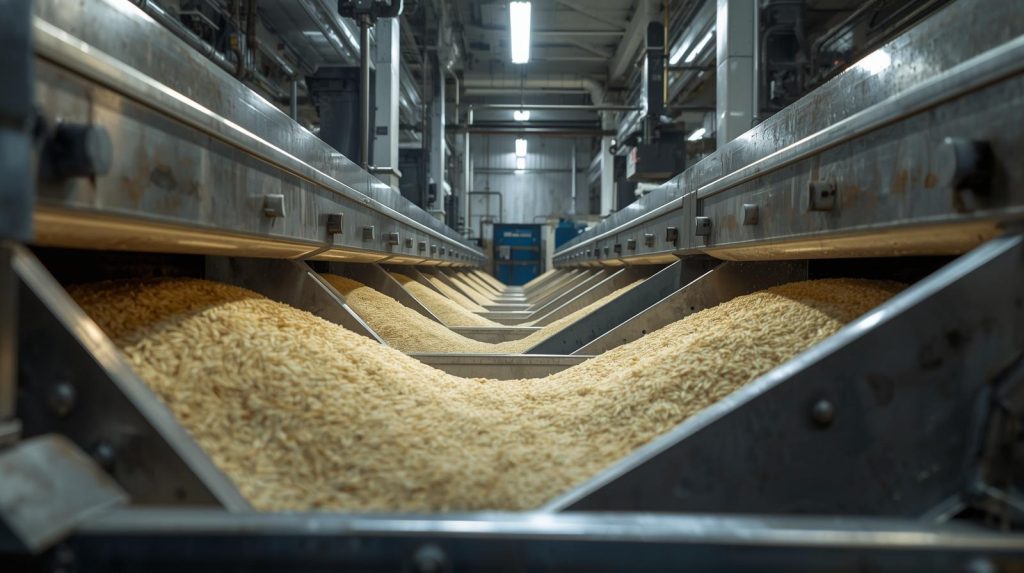
When investing in a rice mill, most buyers focus on production capacity or cost, but have you considered how the material of your mill machinery affects everyday operations? Material selection influences hygiene, durability, and the final finish of rice. Poor material choice can lead to contamination, increased breakage, higher maintenance, and inconsistent rice quality, all of which impact profitability.
For rice mill owners in India, where conditions like humidity, dust, and long operating hours are common, the materials used in mill machinery directly affect output consistency, maintenance frequency, and market acceptance. Understanding these effects can help you choose machines that deliver better long-term performance.
Why Material Choice Influences Machine Performance and ROI?
The materials used in mill machinery have a direct impact on performance, reliability, and long-term return on investment. Machines built from high-quality, corrosion-resistant, and wear-resistant materials maintain consistent operation even under continuous use. Poor material selection can cause misalignment, higher vibration, and faster wear, leading to unplanned downtime and frequent repairs.
For rice mill owners, these issues translate into reduced productivity, increased maintenance costs, and lower rice quality, all of which affect profitability. On the other hand, investing in machinery made from durable, hygienic-friendly materials ensures smoother operation, less energy consumption, and longer equipment life. This not only improves output but also protects your investment over several seasons. Understanding the connection between material choice and machine performance helps mill owners make informed decisions, avoid hidden costs, and maximise both efficiency and return on investment.
7 Ways Material Choice Impacts Rice Milling
In India’s competitive rice market, buyers demand clean, polished rice every time. The materials used in your mill machinery play a critical role in meeting these expectations. Let’s look at the seven ways material choice affects hygiene, durability, and rice finish.
- Hygiene and Food Safety
Hygiene is critical in rice processing. Materials like stainless steel or food-grade alloys help prevent rust, residue buildup, and bacterial growth. Smooth surfaces reduce grain sticking and make cleaning easier, which keeps operations safe and protects the rice’s market value. Poor-quality materials can lead to contamination, longer cleaning cycles, and production delays. For mill owners, selecting mill machinery with hygiene-friendly materials ensures safer processing and consistent quality that buyers trust.
- Durability and Machine Life
Rice mills often run long hours, especially during peak seasons. Strong, high-quality materials resist wear, maintain alignment, and reduce vibration in mill machinery. This lowers breakdown frequency and part replacements. Machines built with low-grade metals wear out faster, forcing emergency repairs and higher maintenance costs. Investing in durable materials ensures your machinery runs reliably for years, saving both time and money in the long run.
- Consistency in Rice Finish
The finish of rice determines market acceptance and pricing. Smooth, durable materials allow mill machinery to polish grains evenly without causing scratches or breakage. Uneven or rough surfaces increase broken rice percentage and reduce visual appeal. By using appropriate materials, your rice mill delivers consistent quality that meets buyer expectations and enhances profitability.
- Energy Efficiency and Operational Stability
High-quality materials in mill machinery reduce friction and mechanical stress. This improves energy efficiency, prevents overheating, and ensures machines operate consistently across shifts. Poor materials can increase resistance in moving parts, causing higher electricity consumption and frequent stops. For mill owners, this means higher operating costs and unreliable output. Choosing robust materials supports stable, efficient milling.
- Adaptability to Indian Conditions
India’s rice mills face challenges like high humidity, dust, and temperature fluctuations. Materials used in mill machinery must withstand these conditions without corrosion or degradation. Suitable materials maintain performance across seasons, reduce downtime, and ensure that both hygiene and rice finish standards are preserved. This adaptability makes your investment more resilient and supports smooth, scalable operations.
- Reduced Maintenance Costs
Rice mills experience continuous stress on bearings, shafts, and moving components. Using high-quality materials in mill machinery reduces wear and tear, which lowers the need for frequent repairs and part replacements. Machines built with durable materials save time and money by keeping operations running smoothly and maintenance predictable.
- Improved Productivity and Output Quality
The efficiency of rice milling depends on smooth, consistent machine performance. Materials that are strong and reliable ensure that mill machinery operates without interruptions, maintains a uniform rice finish, and minimises broken grains. Choosing the right materials supports higher productivity and maximises overall output quality.
Conclusion
Material choice in mill machinery affects every aspect of rice milling—from hygiene and durability to energy efficiency and rice finish. High-quality, suitable materials ensure consistent output, reduce maintenance, and protect both machine life and market reputation. For rice mill owners, selecting the right materials is not just a technical decision; it is a strategic choice that safeguards profitability, supports cleaner operations, and delivers high-quality rice consistently. Investing in well-built mill machinery helps your mill thrive under India’s challenging operating conditions and meet buyer expectations every day.