
IRS improving tax fairness and accountability across the nation
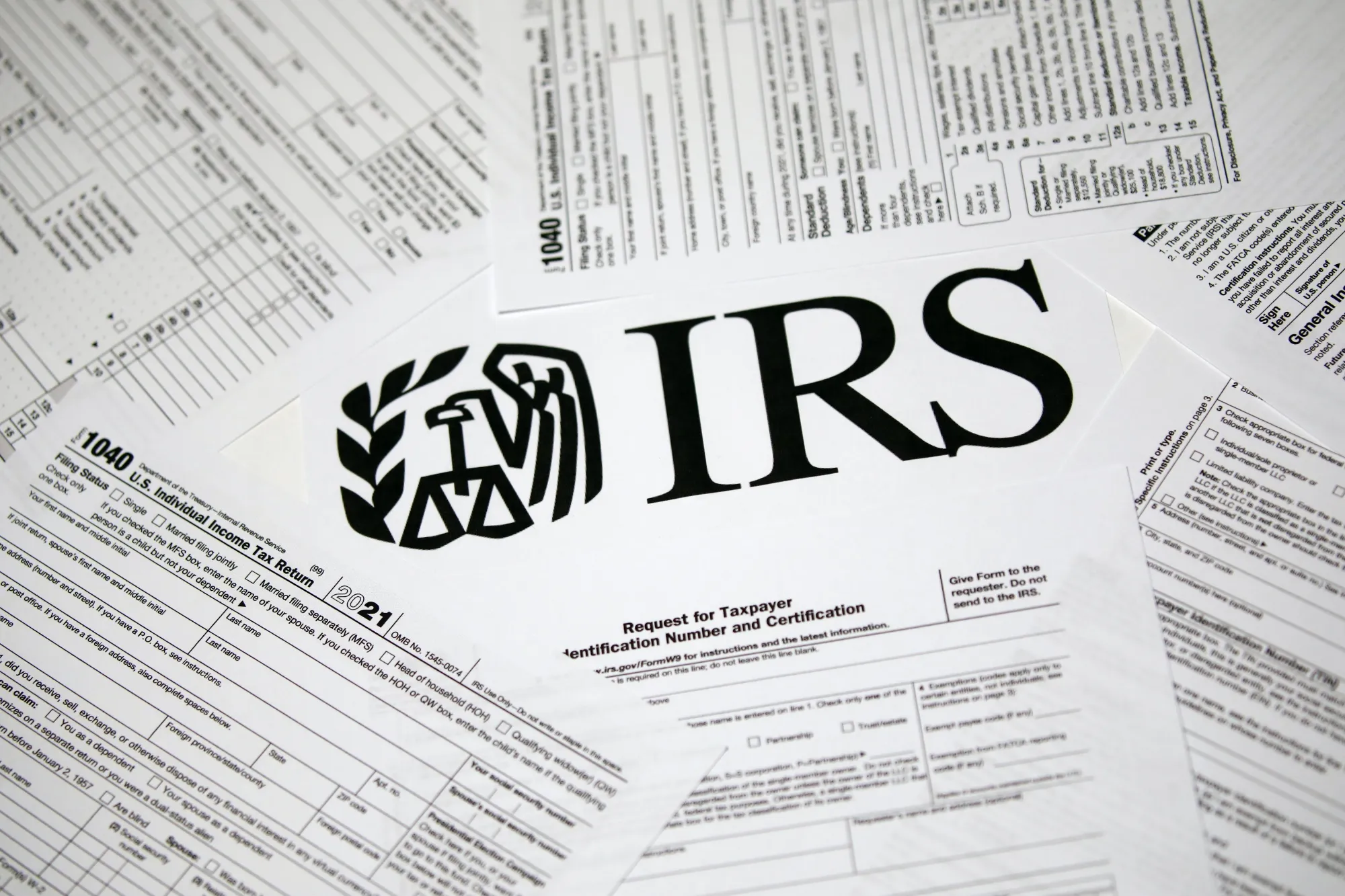
Tax fairness ensures that all citizens contribute appropriately to public services and government operations. Equitable taxation supports essential programs like healthcare, education, infrastructure, and national defense. The IRS plays a central role in maintaining fairness by enforcing tax laws, monitoring compliance, and providing guidance to taxpayers. By promoting fairness, the IRS helps prevent fraud, reduce inequality, and foster trust in the tax system, which is critical for maintaining a stable and well-functioning economy.
How Does the IRS Promote Accountability?
Accountability is key to ensuring that tax laws are applied consistently. The IRS achieves this through audits, investigations, and monitoring programs that detect noncompliance or fraudulent activities. By holding individuals and businesses accountable, the agency ensures that everyone meets their tax obligations. This accountability not only deters illegal activity but also reinforces confidence among taxpayers who comply with the law. Transparency and clear communication of tax regulations further strengthen accountability and encourage voluntary compliance.
What Programs Support Tax Compliance?
The IRS implements multiple programs designed to support taxpayers and enhance compliance. These include taxpayer assistance centers, online resources, and educational initiatives that explain filing requirements, deductions, and credits. Advanced data analytics and automated systems help identify discrepancies and streamline processing, making it easier for individuals and businesses to meet their obligations accurately. Additionally, the IRS collaborates with state and local tax agencies to coordinate enforcement and reduce gaps in compliance.
How Does the IRS Address Tax Evasion and Fraud?
Combating tax evasion and fraud is a top priority for the IRS. The agency uses sophisticated technology, risk-based audits, and specialized investigative teams to detect and prevent illegal practices. Penalties and legal actions are enforced against violators, which discourages misconduct and protects honest taxpayers. By addressing these issues proactively, the IRS ensures that tax obligations are shared fairly and that the system remains reliable and effective for the entire population.
Why Is Public Trust in the IRS Essential?
Trust in the IRS is crucial for maintaining voluntary compliance. Taxpayers are more likely to file returns accurately and on time when they believe the system is fair and transparent. The IRS builds trust by offering clear guidance, responsive customer service, and fair enforcement of tax laws. Public confidence in the agency reinforces the legitimacy of the tax system, ensuring that government programs continue to receive the necessary funding.
What Steps Are Being Taken to Improve Efficiency?
The IRS continuously updates technology and processes to enhance efficiency and accuracy. Digital filing systems, automated refund processing, and electronic communication reduce errors and speed up service. These improvements allow the agency to focus resources on high-risk areas, support taxpayers more effectively, and maintain accountability. Ongoing modernization initiatives ensure that the IRS can manage growing volumes of tax returns while improving service quality and compliance efforts.
How Does IRS Efforts Impact the Nation?
IRS initiatives to improve fairness and accountability have a direct impact on national economic stability. Ensuring that all taxpayers contribute appropriately strengthens public services, reduces the deficit, and supports social programs. Fair enforcement protects honest taxpayers, discourages illegal activity, and fosters a culture of compliance. These efforts create a more equitable tax system that benefits both individuals and businesses, promoting trust, stability, and economic growth across the nation.
In conclusion, the IRS plays a vital role in improving tax fairness and accountability. Through rigorous enforcement, taxpayer support programs, and technological advancements, the agency ensures compliance, deters fraud, and builds public trust. By fostering a fair and transparent tax system, the IRS strengthens the nation’s economy and ensures that government services can continue to support the needs of all Americans.